


Chinese Art at Auction | What Are Collectors Looking for in 2026?
No Content Set
Exception:
Website.Models.ViewModels.Blocks.PageBlocks.BillboardBlocks.InlineBillboardBlockVm
19th March 2026
Our 4th March 2026 Fine & Decorative Arts sale featured a remarkable collection of Asian Art – from cloisonné enamel to porcelain vases, bronze sculpture and fine furniture. But which pieces attracted the most competitive bidding and why?
Auctioneer, Emma Barnett, shares her expert insight into Chinese art market trends and what achieved the highest prices.
Jade Carvings
Jade is an ancient stone, with deep cultural ties to China. It was first revered by Confucious, who likened the stone’s durability, sensual surface and lustre to the qualities of a perfect human – strong, loyal and benevolent. Today, it remains highly prized by Chinese buyers for these same properties.
After competitive bidding from the telephones and online, the gavel fell at £3,000 (+BP) for a 19th century jade carving. Standing at only 5.5cm high, this piece was desired for its even pale colour and intricate carving.

Amber Jewellery
Amber is another precious material treasured in China. Known as Hu-Po (Spirit of the Tiger), amber is considered a holy stone in Buddhist practice, having been used since the Shang Dynasty (1600-1046BC) in art, jewellery and medicine.
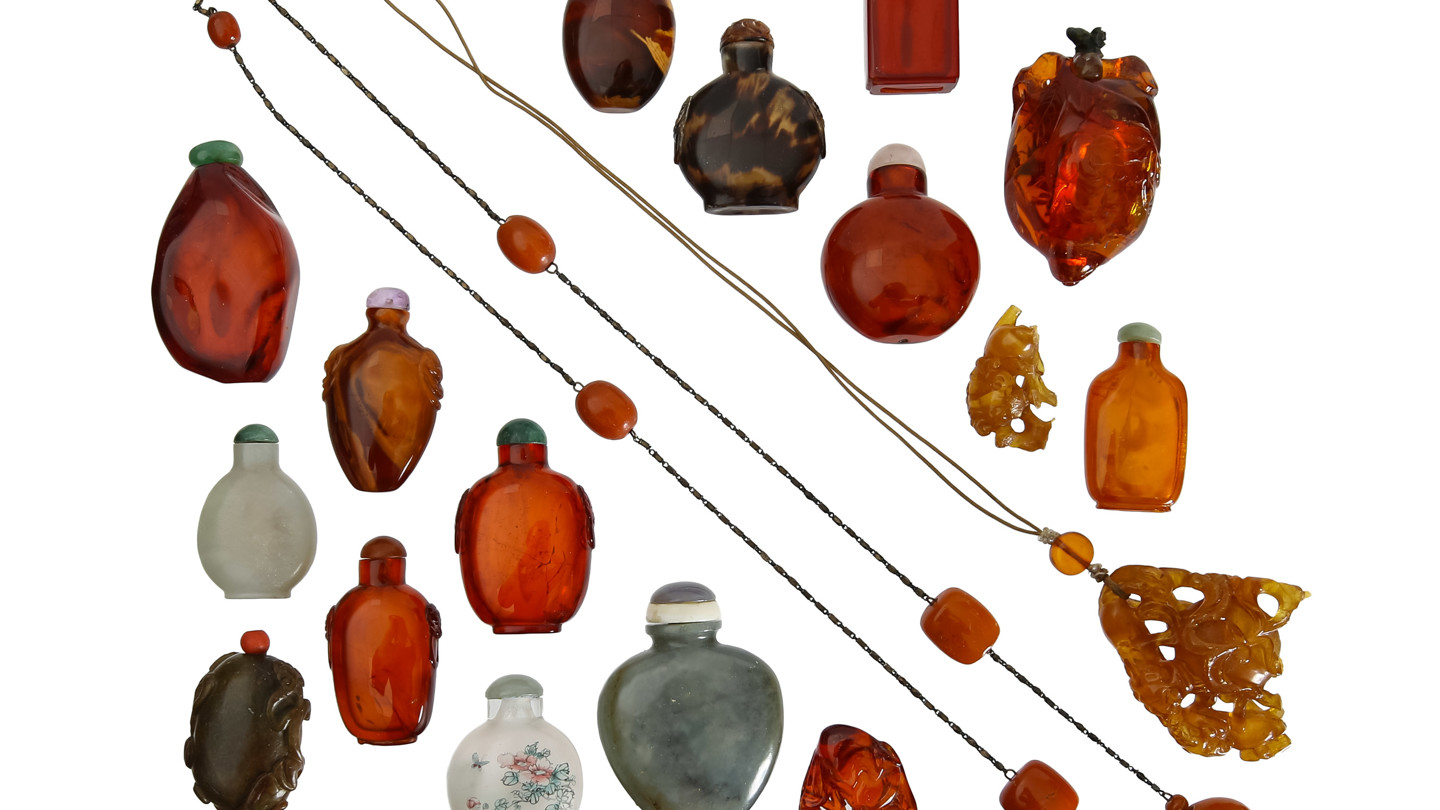
Viewed as a status symbol and good luck talisman, high-quality amber always receives intense interest at auction – as seen with a collection of snuff bottles and pendants, which sold for £4,000 (+BP).
Porcelain – Blue and White, Famille Verte and Famille Rose
Chinese porcelain has always been much admired on the international stage. Although considered some of the best in the world, there is a hierarchy when collecting Chinese porcelain. The least desirable is export porcelain designed for Western tastes, often depicting European figures or coats of arms. Above that are Chinese domestic (Minyao) wares, featuring traditional Chinese symbols but still produced in large quantities. Scholarly pieces made for the ‘educated’ class were more specialised and valued artistic design over mass production. Sitting at the top of the hierarchy is Imperial (Guanyao) porcelain, often painted in monochrome ‘Imperial yellow’.
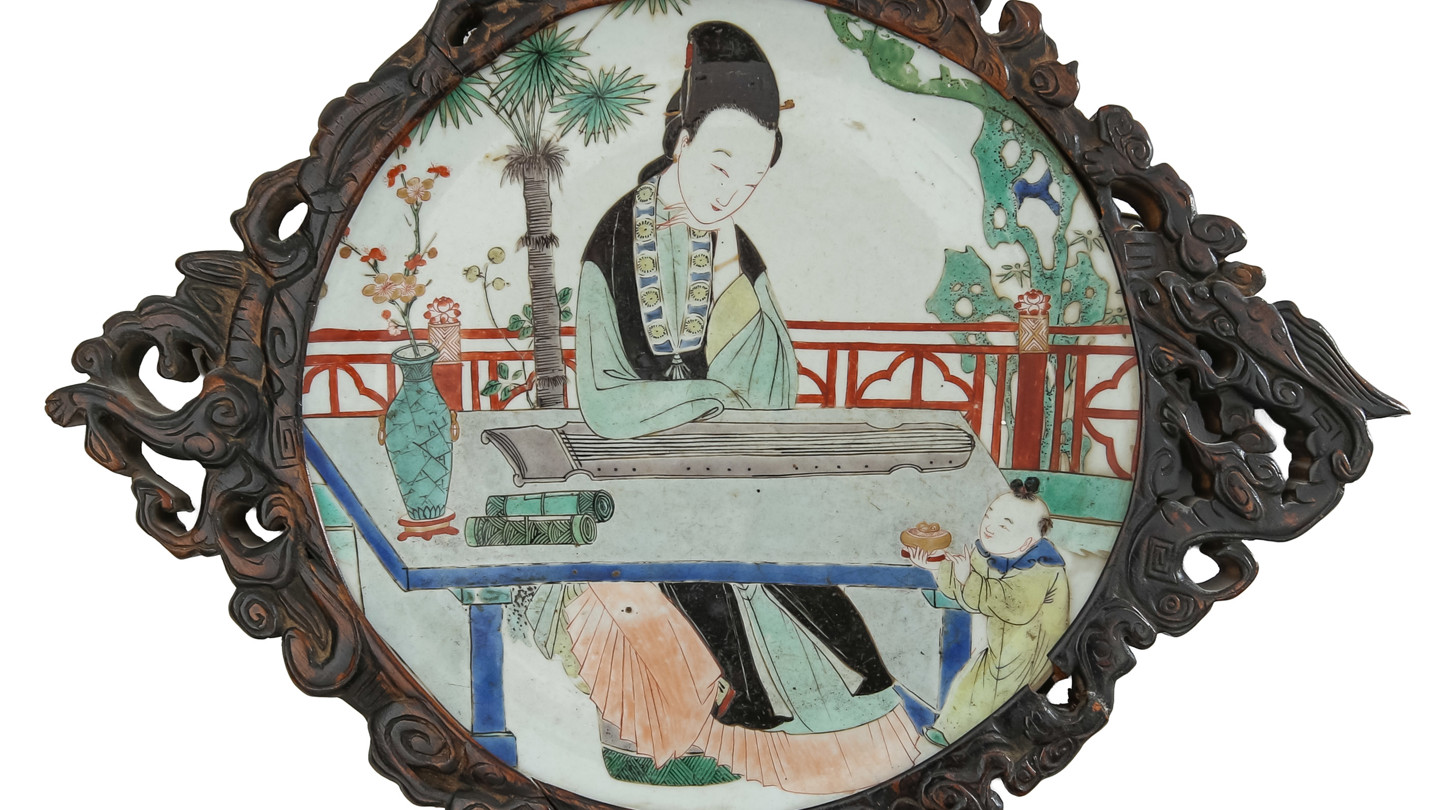
Falling into the ‘scholarly’ category was a Chinese Kangxi famille verte porcelain plaque. This piece generated huge pre-sale interest, as it portrays a Chinese-taste subject that draws upon Confucian ideals, portraying a lady seated at a table with a zither and scrolls. The excitement continued at auction, with several telephone bidders competing until the plaque was sold for £1,300 (+BP).
Chinese Furniture
Chinese furniture gained popularity in Britain during the mid-18th century and remains highly regarded in both Chinese and European collections. Key factors driving buyers include the quality of the hardwood (huanghuali or zitan), age, provenance, condition, and aesthetic balance. In early 2025, Catherine Southon sold a pair of hardwood armchairs, that epitomised the best forms of these elements, for a remarkable £22,000 (+BP). Strong results for Chinese furniture have continued into 2026, and a ten-fold coromandel carved screen achieved £1,300 (+BP).

Monthly Asian Art Valuation Days
Do you own Asian Art and want to know its value? We host Asian Art Valuation Days on the last Tuesday of every month at our Chislehurst office. Book an appointment with our Specialist, Allard Van Halm, for free expert advice on selling Chinese art at auction.
Discover the value of your Asian Art at one of our Valuation Days.
Asian Art Department

Sign up for Catalogue Alerts
Be the first to know about when our auction catalogues, upcoming valuation days and latest auction insights